

Twelve-Day Event Marks Three Decades of Tourism Development and Cinematic Legacy
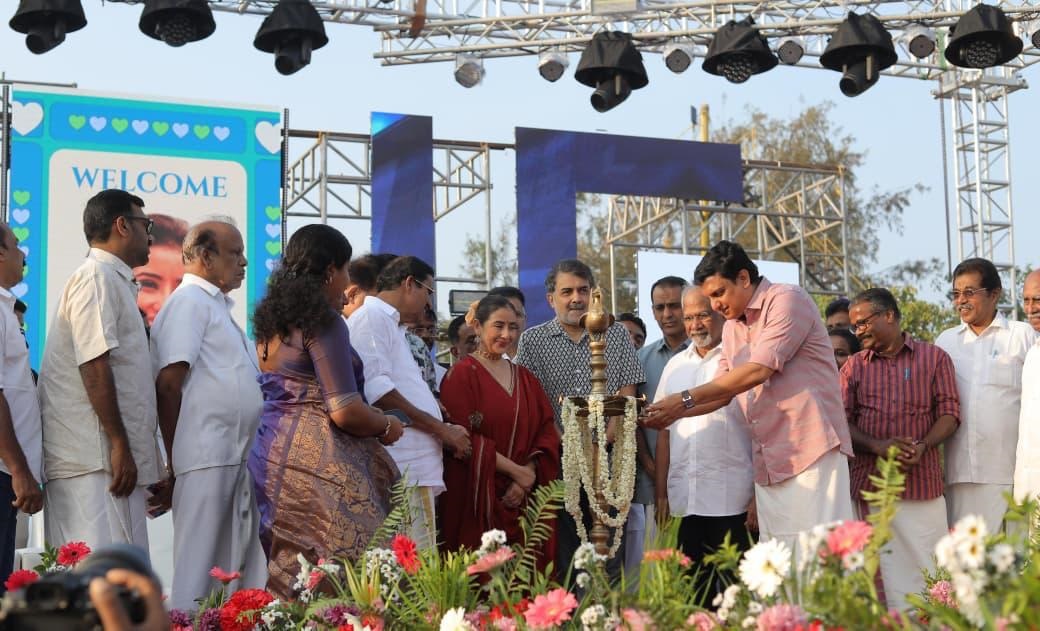
A festive atmosphere enveloped Bekal Beach Park on Saturday, evening as Kerala’s northernmost district launched an ambitious twelve-day tourism celebration that interweaves three decades of regional development with Bollywood’s enduring cinematic legacy.
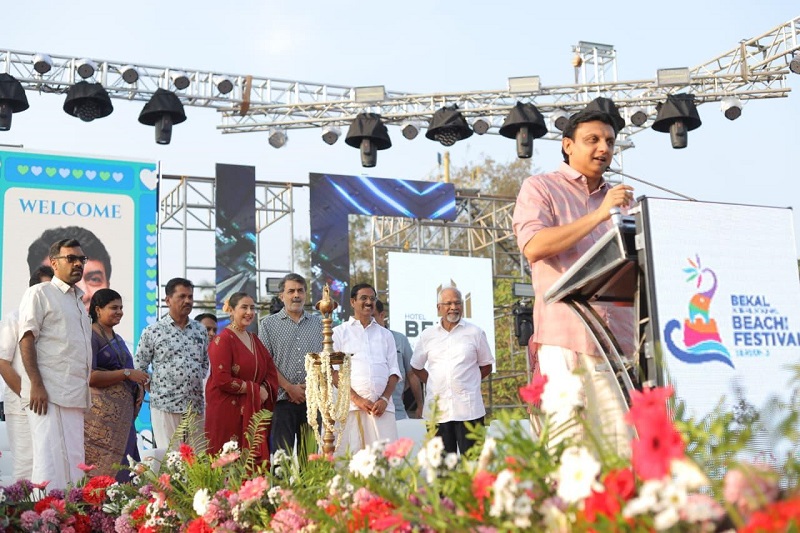
Kerala Tourism Minister P.A. Mohamed Riyas inaugurated the Bekal International Beach Festival at 4 PM on December 20, 2025, before a gathering that included cinema luminaries, government officials, and tourism industry stakeholders. Udma MLA C.H. Kunhambu chaired the organizing committee, while Ms. Sikha Surendran IAS, Director of Kerala Tourism, delivered the welcome address. Mr. Shijin Parambath, Managing Director of Bekal Tourism Development Corporation Limited, proposed the vote of thanks.
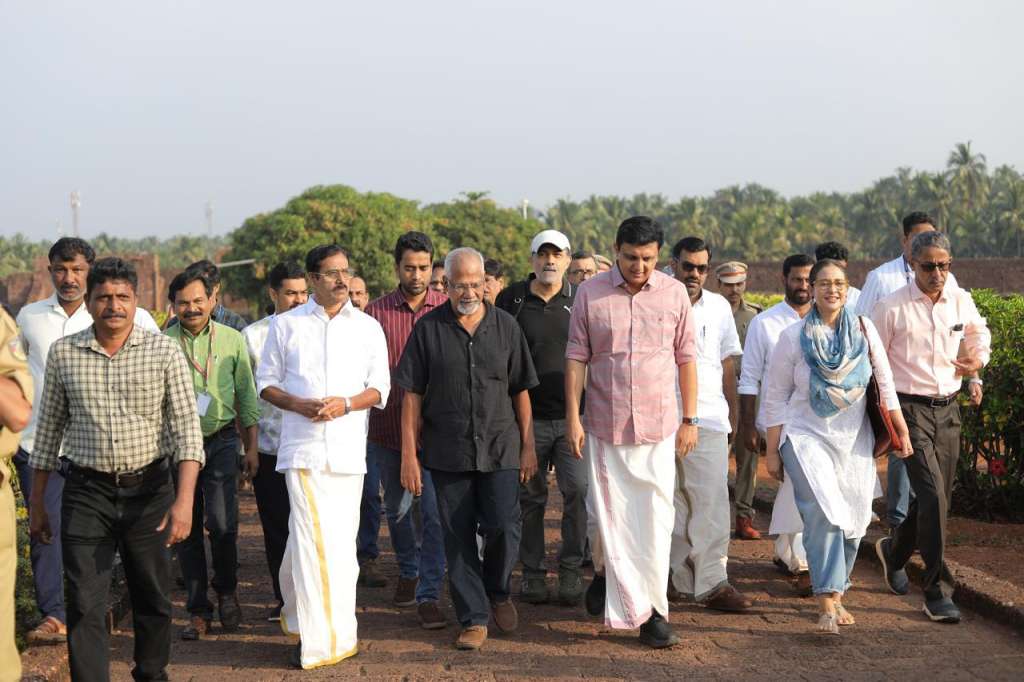
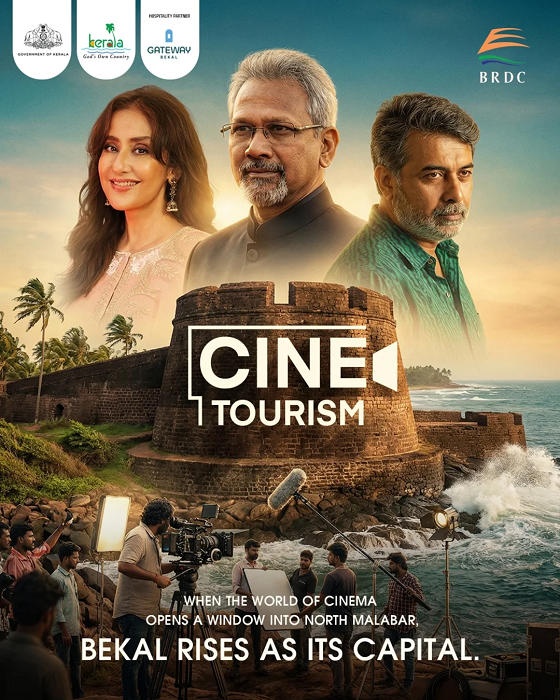
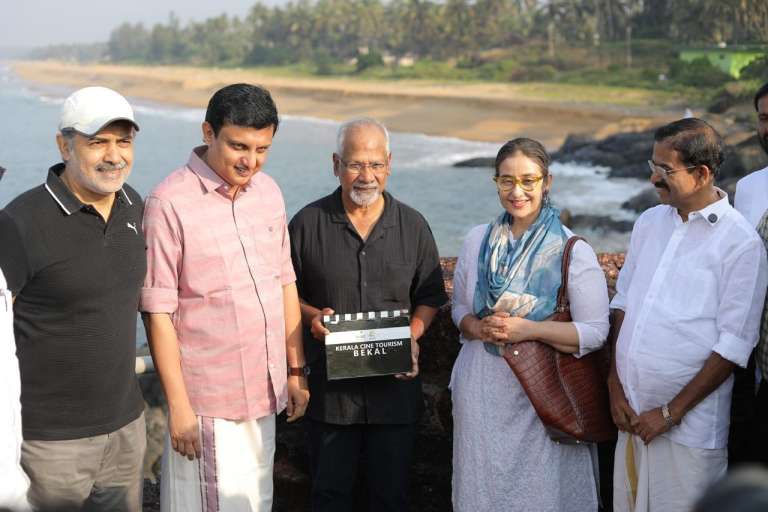
The ceremony gained additional glamour with the presence of acclaimed filmmaker Mani Ratnam, actress Manisha Koirala, and cinematographer Rajiv Menon – the creative trio behind the 1995 classic Bombay. Their attendance connected the festival’s dual purpose: celebrating both the 30th anniversary of the Bekal Resorts Development Corporation and three decades since the film immortalized Bekal Fort in Indian cinema.
Cinema Meets Conservation
The festival’s timing represents more than fortunate coincidence. It reflects a deliberate strategy by Kerala Tourism to leverage the state’s cinematic heritage as a tourism development tool. The iconic song Uyire (Tu Hi Re in Hindi) from Bombay, shot against Bekal Fort’s dramatic coastal backdrop, transformed the location from a regional historical site into an internationally recognized destination.
This transformation exemplifies cinema tourism’s potential – how a few minutes of film footage can reshape a location’s identity and economic trajectory. Three decades later, that sequence continues drawing visitors who seek to experience the same windswept ramparts and turbulent seas that provided the song’s atmospheric power.
The reunion of Mani Ratnam, Manisha Koirala, and Rajiv Menon at Bekal serves multiple strategic objectives. Beyond nostalgic appeal, their presence signals to filmmakers worldwide that Kerala actively welcomes productions and maintains the infrastructure, scenic diversity, and professional support necessary for complex shoots. It also validates cinema tourism as a legitimate sector worthy of dedicated promotional efforts.
Building Foundations for Growth
The Bekal Resorts Development Corporation’s three-decade journey illustrates how sustained, strategic investment can transform regional tourism. Established in 1995, BRDC faced the challenge of developing tourism infrastructure in a district that, while naturally beautiful, lacked the brand recognition of southern Kerala’s backwaters or hill stations.
Through careful planning that balanced development with environmental preservation, BRDC has positioned Kasaragod as a premium destination. The corporation’s approach emphasizes sustainable growth – creating facilities that enhance visitor experience without compromising the natural and cultural assets that make the region distinctive.
This philosophy manifests in the festival’s extensive preparations. District authorities coordinated comprehensive parking arrangements across multiple locations, including the Pallikara Primary Health Centre and Government Higher Secondary School campuses. Northern access points utilize the Bekal mini stadium and fort parking areas, while southern approaches incorporate private lands near the beach park and the former Red Moon beach zone.
These arrangements demonstrate sophisticated event management capabilities while creating infrastructure that will serve tourism needs beyond the festival period. Such investments represent long-term thinking – building capacity for sustained growth rather than temporary solutions.
Economic Multiplier Effects
The festival’s economic impact radiates throughout Kasaragod’s business ecosystem. While direct spending on accommodations and festival activities generates immediate revenue, the broader benefits include increased exposure for local artisans, food vendors, transportation providers, and small enterprises throughout the district.
Hospitality establishments experience heightened demand during the twelve-day period, while restaurants and cafes gain opportunities to introduce regional cuisine to new audiences. These commercial interactions often create lasting relationships, with satisfied visitors returning for extended stays or recommending the destination within their networks.
Social media amplifies this effect exponentially. Festival attendees sharing experiences through digital platforms create organic marketing that extends far beyond traditional promotional budgets. A single positive visitor experience, properly documented and shared, can influence hundreds or thousands of potential future visitors.
For local youth, such tourism growth creates employment alternatives to traditional livelihoods or migration to urban centers. Service sector jobs in hospitality, guiding, transportation, and cultural performance provide income while maintaining community connections.
Cultural Preservation Through Tourism
While cinematic association provides contemporary appeal, the festival’s programming emphasizes Kasaragod’s distinctive cultural heritage. The district’s position bordering Karnataka creates unique traditions that blend influences while maintaining recognizable Kerala characteristics.
Traditional performances, handicraft exhibitions, and regional cuisine offerings serve multiple purposes. They preserve artistic traditions by providing performance opportunities and income for practitioners. They educate visitors about local heritage, creating deeper engagement than passive sightseeing allows. And they differentiate Bekal from generic beach destinations, establishing authentic character that sophisticated travelers increasingly seek.
Bekal Fort itself embodies this layered heritage. Its unusual circular architecture and commanding coastal position reflect centuries of history, from pre-colonial kingdoms through colonial conflicts to contemporary cultural significance. The festival creates frameworks for visitors to engage with this history through guided explorations, historical exhibitions, and interpretive programs that contextualize the fort’s ongoing relevance.
Vision for Sustainable Success
As the twelve-day celebration progresses, it represents Kerala Tourism’s broader development philosophy – growth that honors heritage, innovation that respects tradition, and economic advancement that maintains environmental sustainability.
The festival’s ultimate measure won’t be attendance figures alone, but its contribution to establishing Bekal as a year-round destination worthy of international recognition. With thirty years of development experience and a strategic approach combining natural beauty, cultural authenticity, and cinematic association, BRDC appears well-equipped to guide this evolution.
The convergence of three significant anniversaries – the corporation’s founding, the film’s release, and now this festival – creates a moment for reflection and renewed commitment. As Kerala Tourism continues promoting cinema tourism alongside traditional offerings, Bekal’s experience may provide a template for other regions seeking to leverage cultural assets for sustainable economic development.




Leave a Comment