

Legendary Director, Star and Cinematographer Relive the Magic of 1995’s Defining Cinematic Moment
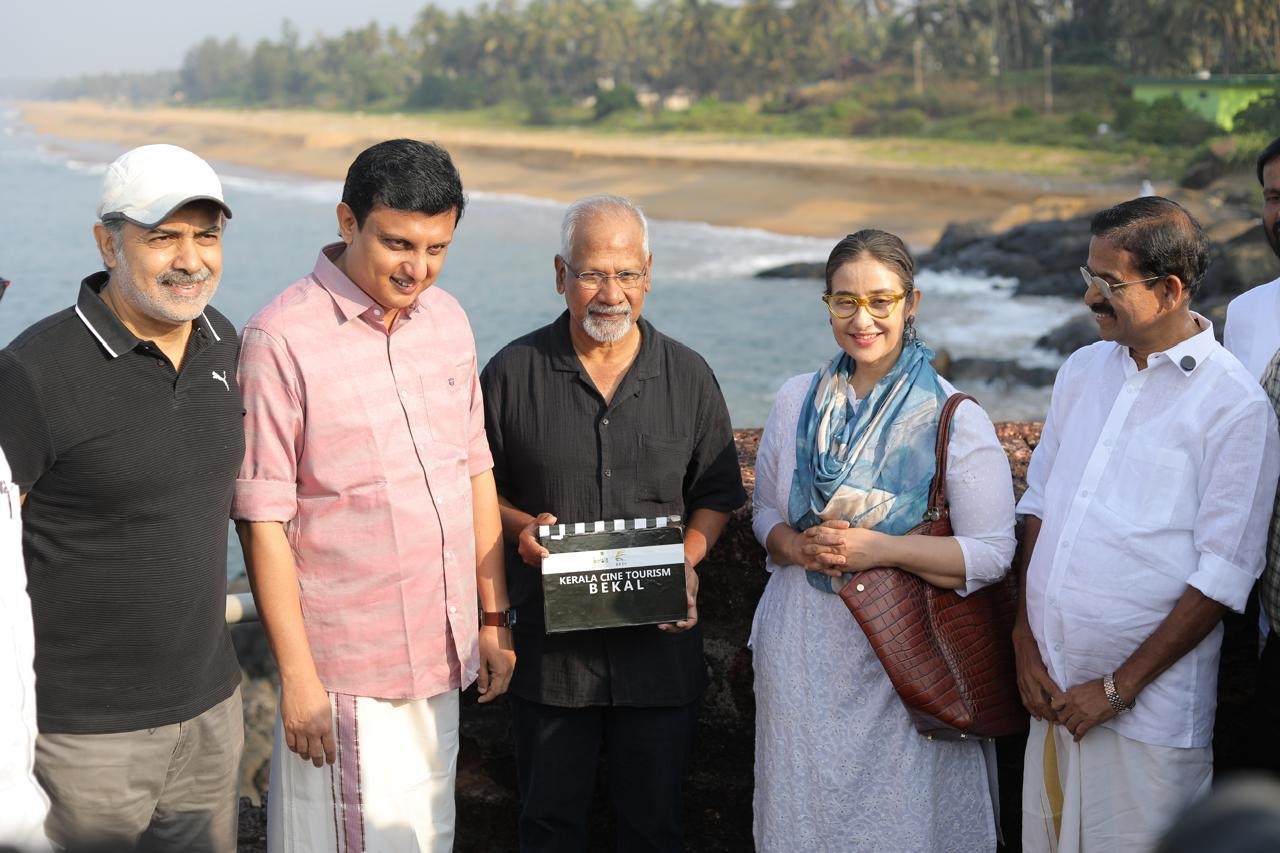
In a nostalgic reunion that bridged three decades of Indian cinema, the creative minds behind the landmark film Bombay returned to the historic Bekal Fort on December 20, 2025, revisiting the location where one of the country’s most memorable songs was brought to life.
Acclaimed filmmaker Mani Ratnam, leading lady Manisha Koirala, and award-winning cinematographer Rajiv Menon gathered at the coastal fortress on Saturday, spending close to an hour walking through the stone pathways and weathered ramparts that once served as the backdrop for their groundbreaking work.
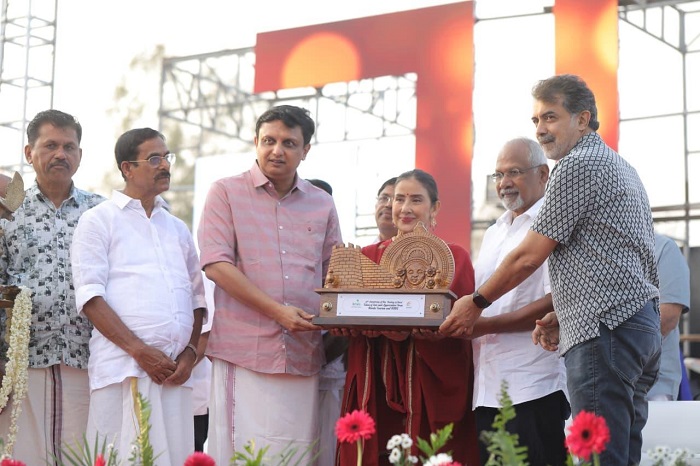
The reunion, organized jointly by the Bekal Resorts Development Corporation and the Kerala Tourism Department, coincided with the International Beach Festival and marked both the film’s pearl anniversary and a significant milestone for the regional tourism body.
The Birth of an Iconic Sequence
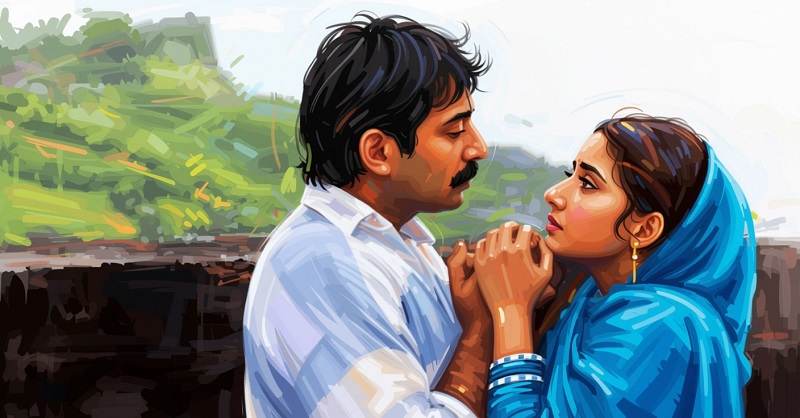
The 1995 release transformed how Indian audiences experienced cinema, weaving together personal romance with broader social commentary in ways that few films had attempted before. Among its most celebrated elements was the haunting composition Uyire Uyire (known as Tu Hi Re in the Hindi version), filmed entirely at Bekal Fort.
Speaking to assembled media, Rajeev Menon shared the serendipitous circumstances that led to the location’s selection. During pre-production scouting, he had been directed toward Kudremukh but found himself stopping in Kannur instead. A visit to Commander Madhu, a retired naval officer and family friend in Kanhangad, proved fortuitous. At the commander’s residence, Menon noticed an artwork depicting the fort and inquired about its whereabouts.
“He was quite insistent that we explore the location multiple times and mentioned having conversations with my father about it,” Menon recalled. “Something about that exchange created an immediate emotional resonance, and I knew we had to see it for ourselves.”
What they discovered was a location perfectly suited to the mood and themes they wished to capture – a dramatic meeting point of history, nature, and raw atmospheric power.
When Weather Becomes Art
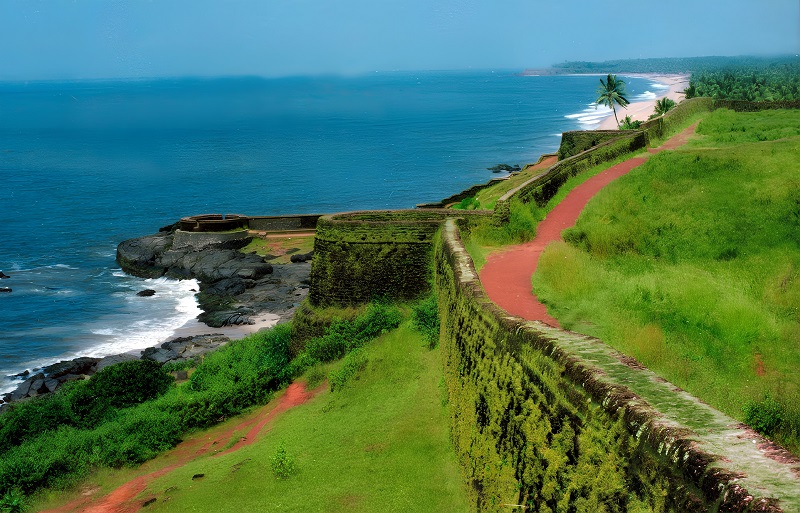
The actual filming, however, presented significant challenges. Persistent rainfall halted production for four consecutive days, testing the patience and adaptability of the entire crew. Yet it was precisely this meteorological obstacle that ultimately gave the sequence its distinctive character.
“The downpour continued relentlessly, preventing us from shooting,” Menon explained. “Given that the sequence didn’t require choreographed dance movements, we made the creative decision to embrace the conditions rather than fight them.”
The choice proved inspired. Morning sequences were captured against the backdrop of the azure Arabian Sea, while evening shots utilized the fort’s imposing stone architecture. The interplay of rain, rough waves, and ancient masonry created a visual poetry that perfectly complemented A.R. Rahman’s evocative score.
“Those rain-soaked frames captured something essential,” Menon reflected. “The turbulent sea and threatening waves didn’t diminish the beauty -they amplified it.”
A Location That Endures

For Mani Ratnam, Kerala has remained a recurring presence throughout his distinguished career, providing settings for multiple productions. Standing once again at Bekal, he acknowledged the passage of time while noting the location’s unchanging essence.
“This state has always held special significance for me,” the director stated. “The monsoon climate, the untamed coastline -these elements created exactly the atmosphere we needed. While much has evolved over thirty years, the fundamental emotional quality of this place remains intact.”
He expressed particular gratitude to Rahman, whose composition became inseparable from the film’s identity, and to Menon for recognizing the location’s cinematic potential.
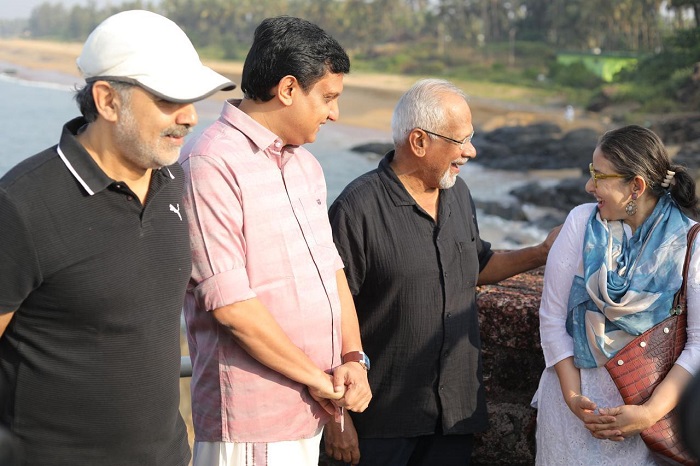
Koirala, whose portrayal of Shaila Bano became one of her most recognized roles, described the experience of returning as deeply moving. Despite an extensive filmography spanning multiple languages and decades, she noted that Bombay continues to define public perception of her work.
“Even after all these years and numerous projects, this film remains among those for which I’m most frequently recognized,” she said. “The location has been maintained beautifully, and standing here again brings tremendous joy.”
Beyond Bekal: The Film’s Broader Canvas
While the fort served as the primary location for the film’s most celebrated sequence, other Kerala locations also contributed to the production’s visual identity. The village of Thalangara featured prominently, hosting scenes depicting the protagonists’ home and their initial encounter at a railway station.
These locations, combined with the film’s unflinching examination of communal tensions and its portrayal of love transcending social boundaries, helped Bombay establish a new cinematic vocabulary for Indian filmmakers.
The characters brought to life by Arvind Swamy and Koirala resonated across demographic boundaries, their story achieving both critical acclaim and commercial success while addressing themes that remain relevant three decades later.
Strengthening Cine Tourism
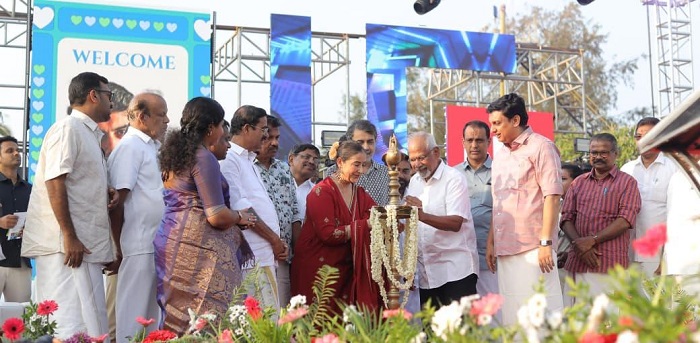
The reunion event served multiple purposes beyond nostalgia. Kerala Tourism Minister P.A. Mohamed Riyas, who attended the gathering, highlighted the initiative’s role in promoting Kerala’s cine tourism potential. By connecting contemporary audiences with iconic filming locations, organizers hope to attract both cinema enthusiasts and general tourists to the region.
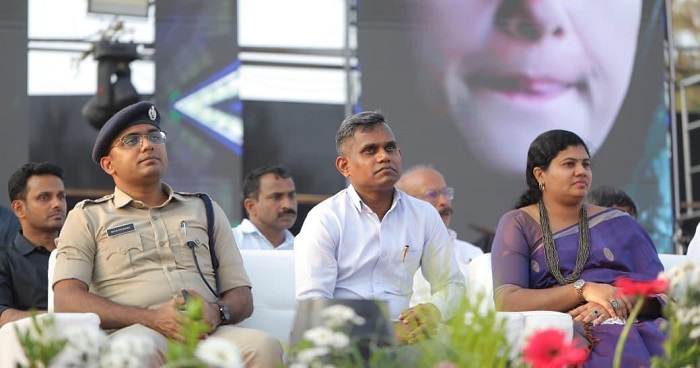
Bekal Fort, with its distinctive circular architecture and dramatic coastal setting, has hosted numerous productions since Bombay, but the 1995 film remains its most celebrated cinematic association. The event aimed to reinforce this connection while demonstrating the location’s continued relevance for contemporary filmmaking.
A Legacy That Transcends Time
As the three collaborators departed after their hour-long visit, they left behind a renewed appreciation for the intersection of place, artistry, and memory. The enduring power of their work – achieved through a combination of circumstance, creative vision, and Rahman’s timeless composition – demonstrates how certain cinematic moments achieve permanence in cultural consciousness.
Thirty years removed from its original creation, Bombay continues to spark conversations, inspire filmmakers, and draw admirers to the locations where it was crafted. The reunion at Bekal Fort served as both commemoration and affirmation: great cinema, once created, lives beyond its immediate moment, forever connecting the places where it was made with the audiences who experience it.






Leave a Reply