

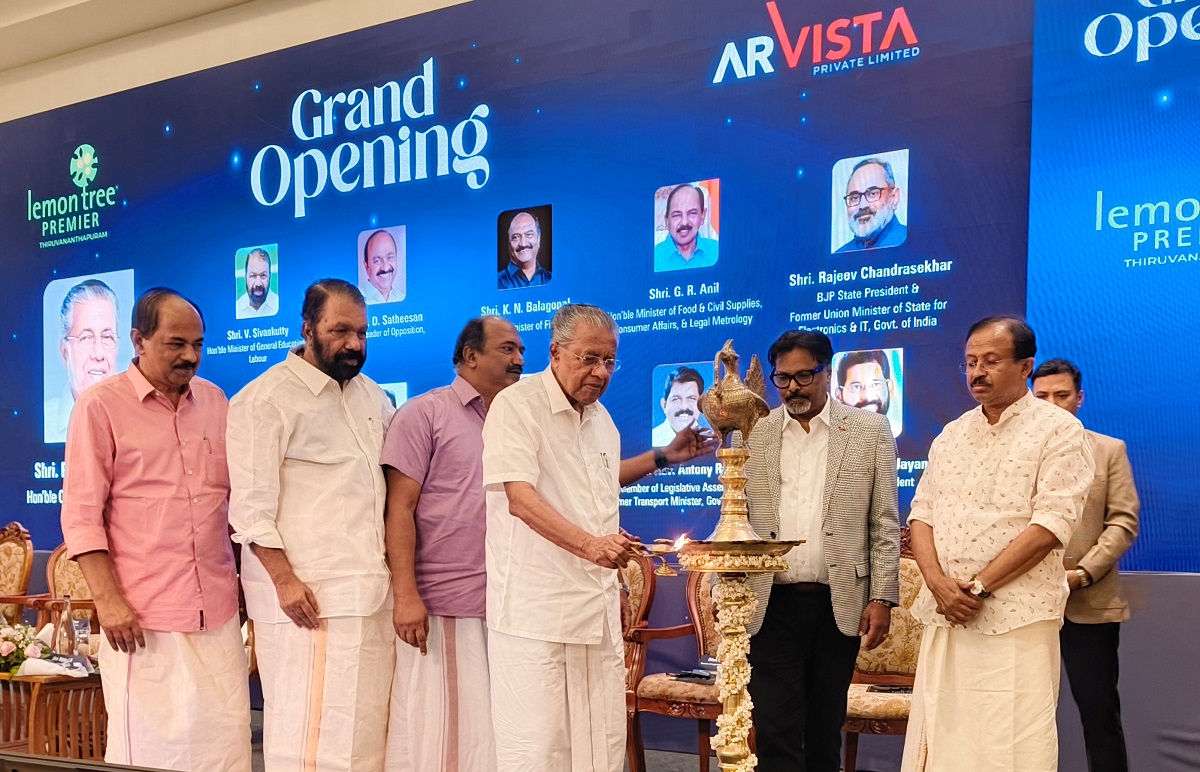
Lemon Tree Premier inauguration marks milestone in God’s Own Country’s tourism infrastructure evolution
Kerala’s tourism sector achieved a historic milestone as Chief Minister Pinarayi Vijayan inaugurated the Lemon Tree Premier Hotel & Convention Centre, the state’s 100th five-star property, signaling the maturation of God’s Own Country into a world-class hospitality destination.
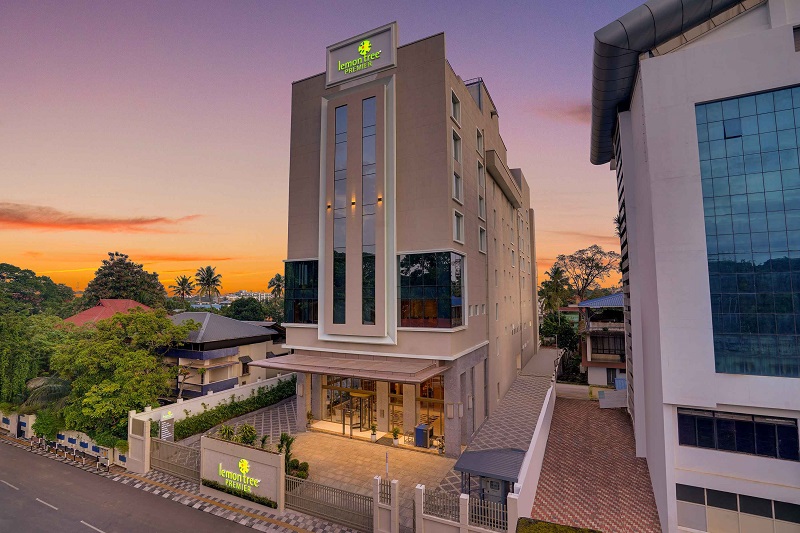
The inauguration of the 80-room property in Thycaud, Thiruvananthapuram, represents more than a numerical achievement – it underscores Kerala’s transformation from a destination known primarily for backwaters and Ayurveda into a comprehensive tourism ecosystem capable of meeting diverse traveler expectations across luxury, business, and leisure segments.
From Niche to Nationwide Leader
Kerala’s journey to becoming the Indian state with the highest number of five-star hotels reflects a deliberate strategy of infrastructure development that began gaining momentum in the early 2000s. What started with a handful of heritage properties and beach resorts has evolved into a sophisticated network of accommodation options spanning the state’s entire geography.
“In the last few years, every city and town in Kerala has started numerous hospitality infrastructure projects, which shows the growth of the tourism sector in the state,” Chief Minister Vijayan said during the inauguration ceremony. “Kerala now has the highest number of five-star hotels, demonstrating our commitment to tourism excellence.”
This distinction is particularly significant given Kerala’s relatively small geographical size compared to states like Rajasthan, Goa, or even Tamil Nadu – traditional strongholds of India’s hospitality sector. The achievement reflects both the state’s appeal as a destination and its success in creating an enabling environment for hospitality investment.
NRI Investment Strengthens Kerala’s Tourism Infrastructure

The Lemon Tree Premier project exemplifies the growing confidence of non-resident Keralites in investing back home, particularly in the tourism and hospitality sector. Rajan J.S., Managing Director of Dubai-based AR Vista Pvt. Ltd., which owns the property, brought his entrepreneurial vision full circle by developing a five-star hotel in his home district.
“My dream comes true by inaugurating this prestigious hotel project in my home district,” Rajan said. “I envisaged a project like this many years ago and I am expecting more investment in Kerala’s tourism sector in the coming years.”
This trend of NRI investment in Kerala’s hospitality infrastructure has become increasingly prominent, bringing international standards, global best practices, and significant capital into the state’s tourism ecosystem. These investments not only create quality accommodation but also generate employment, support local supply chains, and enhance Kerala’s reputation as a professionally managed tourism destination.
Capital City Emerges as Hospitality Hub
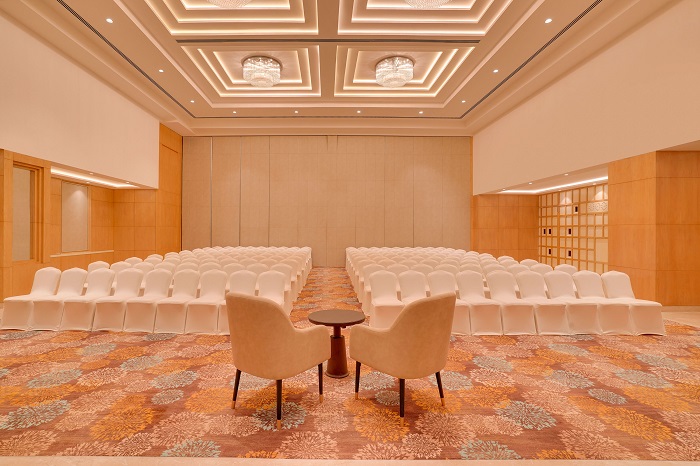
Thiruvananthapuram’s evolution as a hospitality destination reflects broader changes in Kerala’s tourism landscape. Traditionally overshadowed by Kochi’s commercial dynamism and northern Kerala’s natural attractions, the capital city has steadily developed its own tourism identity built on multiple pillars.
The city’s appeal rests on its unique combination of assets: the architectural and spiritual magnificence of Padmanabhaswamy Temple, the coastal charm of Kovalam and nearby beaches, a rapidly expanding IT and knowledge economy sector generating corporate travel demand, its role as the administrative and political capital attracting government-related business travel, and its function as a gateway to southern Kerala’s attractions including Kanyakumari and the Western Ghats.
This diverse visitor profile – combining leisure tourists, business travelers, government officials, and conference attendees – creates year-round demand that supports quality hospitality infrastructure. The addition of the state’s 100th five-star property in Thiruvananthapuram, rather than in more traditionally tourism-focused locations, signals the democratization of Kerala’s tourism growth across its entire geography.
Government Policy Accelerates Growth
Finance Minister K.N. Balagopal used the occasion to announce concrete measures supporting continued hospitality sector expansion. The government is offering infrastructure incentives and interest subsidies for new hotel projects up to INR 50 crore, demonstrating its commitment to maintaining Kerala’s tourism momentum.
“The government is committed to continuing the growth of tourism in the state,” Balagopal emphasized, highlighting how public policy is actively shaping private sector investment decisions.
The Chief Minister also revealed that the ambitious Kovalam to Chettuva national waterway project is nearing completion and expected to open officially by the end of January 2026. “This will make a revolutionary change in the tourist experience in Kerala,” he stated, connecting infrastructure development directly to tourism enhancement.
This integrated approach – combining financial incentives for hospitality projects with major tourism infrastructure initiatives like the national waterway—represents sophisticated destination management that addresses both accommodation supply and visitor experience quality.

Symbiotic Relationship Drives Economic Growth
Chief Minister Vijayan articulated a crucial insight that often gets overlooked in discussions of tourism development: the symbiotic relationship between hospitality infrastructure and tourism demand. “The symbiotic relationship between the hospitality and tourism sectors is inseparable, and every good project will support the growth of tourism and the state’s economy,” he observed.
This chicken-and-egg dynamic means that quality hotels don’t just respond to existing demand – —they help create it. Premium properties attract higher-spending visitors, enable more sophisticated marketing of the destination, support the development of complementary tourism products and services, enhance the state’s image as a quality destination, and encourage domestic and foreign direct investment in other sectors.
The economic multiplier effects extend well beyond room revenues. A five-star hotel creates employment across skill levels, from housekeeping and culinary roles to management positions. It sources supplies from local vendors, supports transportation and tour operators, generates tax revenues for government, and raises service standards across the broader hospitality ecosystem.
Lemon Tree’s Kerala Strategy
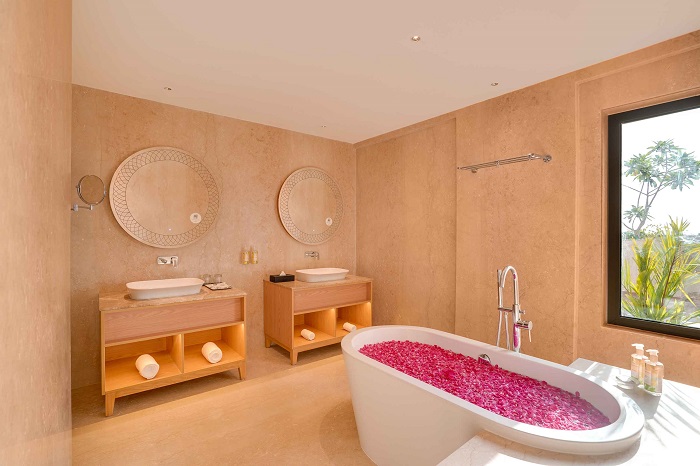
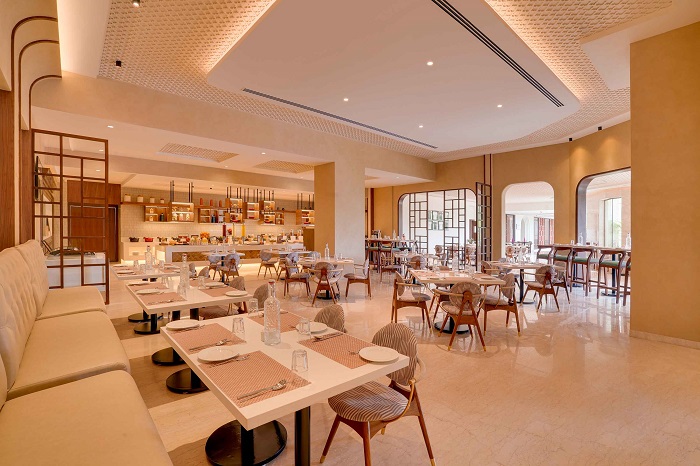
The new property marks Lemon Tree Hotels’ sixth location in Kerala, reflecting the chain’s bullish outlook on the state’s hospitality market. Managed by Carnation Hotels Private Limited, the hotel features 80 well-appointed rooms and suites, multi-cuisine dining at Citrus Café, the signature Kebab Theatre restaurant, the Slounge lounge bar, fitness and spa facilities, a swimming pool, and comprehensive banquet and meeting spaces.
“With the opening of Lemon Tree Premier, Thiruvananthapuram, we are pleased to further extend our footprint across Kerala,” said Vishvapreet Singh Cheema, President of Lemon Tree Hotels. “Situated in a prime location, the hotel is ideal for both business and leisure travelers exploring this historic and culturally rich city.”
Lemon Tree’s expansion in Kerala aligns with its broader strategy of establishing presence in tier-2 and tier-3 cities alongside metropolitan markets. This approach has proven particularly effective in Kerala, where tourism demand is geographically distributed rather than concentrated in one or two locations.
The chain now has properties in multiple Kerala locations, creating a network effect that benefits both the brand and the state’s tourism sector. Travelers can experience consistent quality standards while exploring different regions, and the brand gains operational efficiencies through regional clustering.
Social Responsibility Integrated with Commercial Success
The inauguration included the launch of a Memorial Charity Initiative by Rajan J.S., demonstrating how hospitality projects can integrate social responsibility with commercial objectives. Ministers K.N. Balagopal and G.R. Anil participated in launching this initiative, while the ceremony also included special recognition of head load workers who contributed to the project’s construction.
This attention to social impact reflects Kerala’s broader development philosophy, where economic growth is expected to translate into community welfare. The recognition of workers and commitment to charitable initiatives alongside the commercial launch sends a message about values-driven business practices.
The Road Ahead
The inauguration ceremony, presided over by Labour and General Education Minister Sivankutty and attended by dignitaries including former Union Minister of State V. Muralidharan and senior Lemon Tree Hotels executives, represented a moment of collective celebration for Kerala’s tourism stakeholders.
As General Manager Manoj M.V. delivered the vote of thanks, the subtext was clear: this milestone is both achievement and invitation. Achievement in reaching a century of five-star properties, and invitation for continued investment in a state that has proven its tourism credentials.
With government policy support, infrastructure projects like the national waterway coming online, sustained NRI investment interest, and established hospitality brands expanding their presence, Kerala’s tourism sector appears positioned for sustained growth. The question is no longer whether Kerala can compete as a tourism destination, but how it can maintain the distinctive character that made it successful while scaling to meet growing demand.
The opening of the state’s 100th five-star hotel in Thiruvananthapuram—a city that blends heritage, governance, technology, and coastal charm—symbolizes Kerala’s tourism evolution from niche destination to comprehensive hospitality ecosystem. It’s a testament to decades of strategic planning, private enterprise, and a shared belief in tourism’s transformative economic potential.
As Kerala moves beyond this milestone, the focus must shift from counting properties to ensuring quality experiences, from pursuing volume to delivering value, and from celebrating achievement to sustaining momentum. The real test of these 100 five-star hotels will be measured not in rooms occupied but in memorable experiences created, economic opportunities generated, and the preservation of the natural and cultural heritage that makes Kerala, truly, God’s Own Country.
(The Lemon Tree Premier Thiruvananthapuram is located in Thycaud and is managed by Carnation Hotels Private Limited. Lemon Tree Hotels operates over 120 properties across more than 80 locations in India and overseas).






Leave a Reply